

Adding Extra Plug Sockets at Home Safely
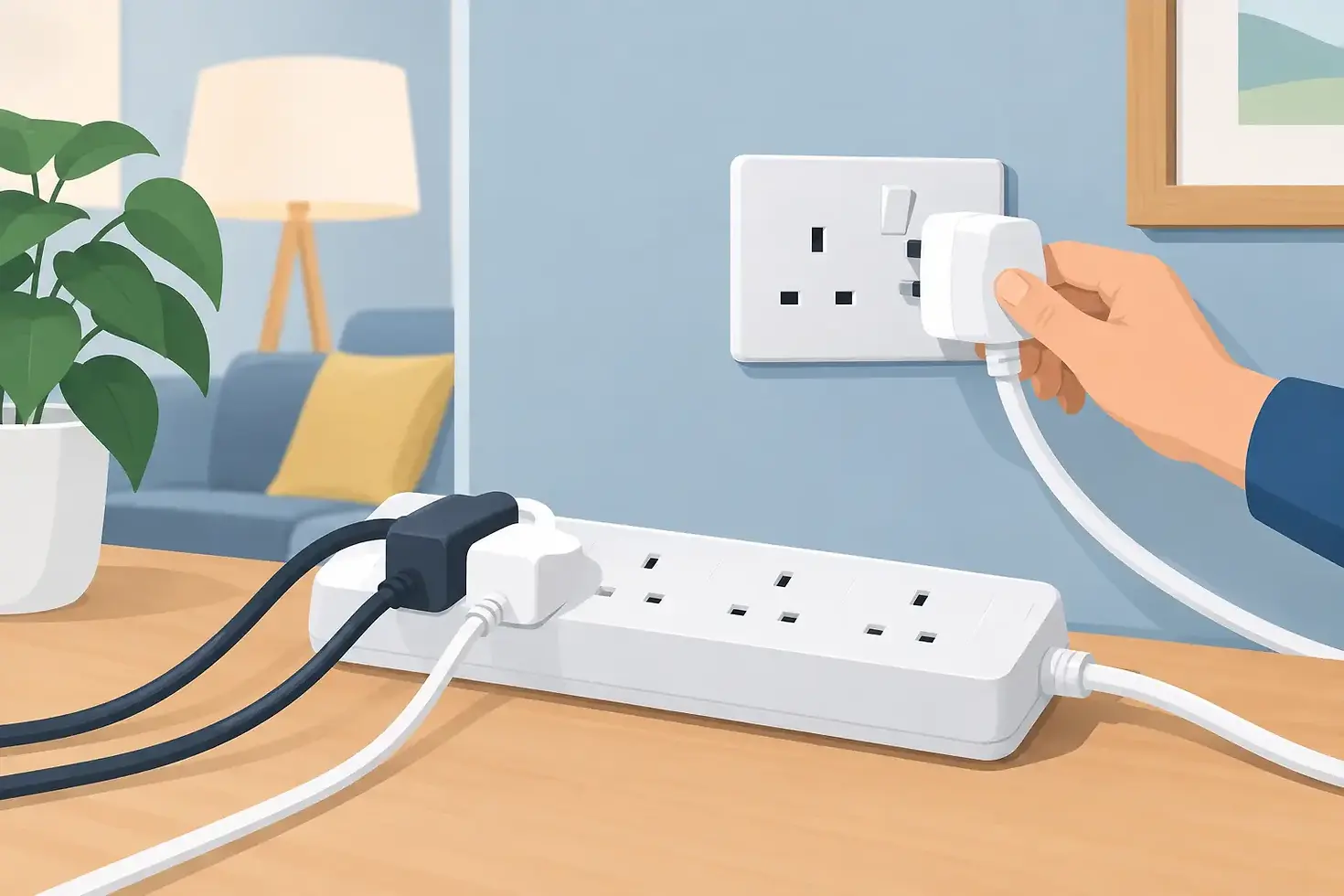
The extension lead behind the television starts with good intentions. Then it collects a games console, router, lamp, mobile phone charger and the odd adaptor until it becomes something you would rather not look at. Adding extra plug sockets is often a small home improvement that makes a room safer, tidier and much easier to use.
It is not just about having more places to charge a mobile phone. Well-positioned sockets reduce trailing leads, stop furniture being arranged around the nearest outlet and give modern appliances their own sensible connection point. The right solution depends on the room, the existing wiring and what you plan to plug in.
When adding extra plug sockets makes sense
Most homes were wired for how people lived when they were built or last refurbished. That may mean one double socket in a bedroom, limited outlets in a living room, or nowhere convenient to plug in kitchen equipment without running leads across the worktop.
Common signs that extra sockets would help include regularly using extension leads, having adaptors permanently fitted to existing outlets, charging devices on the floor, or moving furniture simply to reach power. A home office is another obvious example. A desk may need power for a monitor, laptop, printer, mobile phone charger and broadband equipment, while one double socket quickly becomes inadequate.
Kitchens benefit too, particularly where small appliances are used every day. It is far more practical to have a socket close to where you use the kettle, toaster or air fryer than to rely on an extension lead. In bedrooms, sockets beside both sides of the bed can make a simple but noticeable difference. They are also useful for lamps, alarm clocks, heated throws and chargers.
For landlords, damaged, loose or poorly positioned sockets are worth dealing with before they become a tenant repair call. Additional outlets can make a rental property more practical, but the installation still needs to be properly designed and tested.
More sockets do not mean unlimited power
A new double socket provides two places to plug in, but it does not automatically increase the amount of electrical load a circuit can safely supply. This is the part that is easy to miss when planning an upgrade.
Low-power items such as lamps, phone chargers and televisions are usually straightforward. High-load appliances are different. Electric heaters, tumble dryers, washing machines, kettles and portable air conditioning units can draw a significant amount of power. If several are used on the same circuit, it may overload the circuit or cause it to trip.
Before fitting anything, an electrician should consider the circuit supplying the area, its condition, the protective device at the consumer unit and the likely use of the new socket. Sometimes an extra socket can be added from an existing circuit without issue. In other cases, the best answer is a new circuit, changes at the consumer unit, or a dedicated supply for a particular appliance.
That is not about making a straightforward job complicated. It is about making sure the finished work is safe and suitable for the way your household actually uses electricity.
Where should new sockets go?
The best position is usually the one that removes the need for extension leads without creating a new inconvenience. Think about the room as it is used day to day, rather than where there happens to be a clear bit of wall.
Living rooms and media walls
Television areas often become a tangle of plugs because the socket was installed before streaming boxes, soundbars, games consoles and broadband routers became standard. Extra sockets behind a wall-mounted television or media unit keep cables out of sight and make the setup easier to maintain.
If you are planning a media wall, it is worth deciding on socket positions before plastering or decorating begins. This may include outlets for the TV, audio equipment, LED lighting, an electric fire and a nearby vacuum cleaner. Planning early generally gives a neater result and can avoid opening finished walls later.
Bedrooms and home offices
Bedside sockets are one of the most requested additions in bedrooms. Depending on the layout, you may want standard switched sockets, USB charging points, or both. USB sockets can be handy, although a normal socket remains useful for chargers and other equipment. The choice comes down to how you use the space and whether you want flexibility for future devices.
For a home office, avoid placing all the new outlets directly behind the desk where they cannot be reached. A mixture of accessible sockets and discreet ones behind furniture is often more practical. If computer equipment is valuable or essential for work, the existing circuit and consumer unit protection should be checked as part of the job.
Kitchens, utility rooms and garages
Sockets in kitchens must be positioned carefully around water sources and work areas. It is not simply a matter of adding one wherever there is space. An electrician will assess safe locations, cable routes and the circuit load, especially if the room already has several major appliances.
Utility rooms and garages are regularly overlooked until you need to run a freezer, charge tools, use a washing machine or plug in garden equipment. A weather-resistant socket may be needed in a garage or outdoors, while appliances with a heavier demand may require their own arrangement. These are useful spaces to get right because temporary extension leads are particularly vulnerable to damage in working areas.
What is involved in fitting an extra socket?
The work can range from a quick, tidy addition to a more involved alteration. It depends on the construction of the property, the route available for the cable and whether the socket is being added to a suitable existing circuit.
In some homes, cable can be run through a loft, under floorboards or within a stud wall with limited disturbance. In solid-wall properties, a channel may need to be cut and made good afterwards. Surface-mounted trunking can also be a sensible option in garages, utility rooms or where keeping disruption down matters more than hiding every cable.
The electrician should isolate the circuit, install the cable and socket correctly, then test the work before it is put back into use. Testing confirms that the connections, earthing and protective devices are working as they should. If an issue is found with older wiring, loose connections or the consumer unit, it is better to deal with it properly than fit a new socket onto a circuit that already needs attention.
A good survey is useful before a quote is given. It allows the electrician to see the wall construction, identify the circuit and discuss the finish you want. It also avoids guessing whether a cable route is possible from a photograph alone.
Why extension leads are not a long-term answer
An extension lead has its place for temporary use, but it should not become a permanent electrical installation. Leads can be overloaded, damaged by furniture, trapped under carpets or exposed to heat. Multi-way adaptors can also put strain on a socket if they are supporting several heavy plugs.
The issue is not that every extension lead is dangerous. A good-quality lead used sensibly can be perfectly safe for a short period. The concern is when it becomes the only way a room can function. If one lead has been in the same place for months and powers half the room, adding extra plug sockets is usually the cleaner solution.
Can you fit an extra socket yourself?
Electrical work is not a job to guess at. Even where certain minor work may not require formal notification, the installation must still comply with the relevant requirements and be safe to use. Incorrect connections, inadequate cable protection or poor earthing can create a serious risk that is not always visible straight away.
A qualified electrician can assess whether the existing circuit is suitable, carry out the installation neatly and test it when finished. This is particularly worthwhile in older homes, properties with a dated fuse board, kitchens, bathrooms, garages and rental properties.
If you are in Glasgow, Paisley or the surrounding areas, David Ronald Electrical can look at the space, explain the practical options and provide a free quote before work starts. You can choose the sensible location, finish and number of outlets without being left to manage a permanent collection of extension leads.


Comments